BIONetZero Study Visit to Lithuania: Insights into a Dynamic Bioeconomy Ecosystem
As part of the EU‑funded BIONetZero project, CLIB joined partner clusters for a three‑day study visit to Lithuania from 10 –12 August. Hosted by LITMEA | Smart Food Cluster, the visit offered an in‑depth look into one of Europe’s most rapidly developing bioeconomy and biotech ecosystems. For CLIB, it was an excellent opportunity to connect with local innovators, understand Lithuania’s strategic priorities, and exchange perspectives on cluster development and international collaboration.
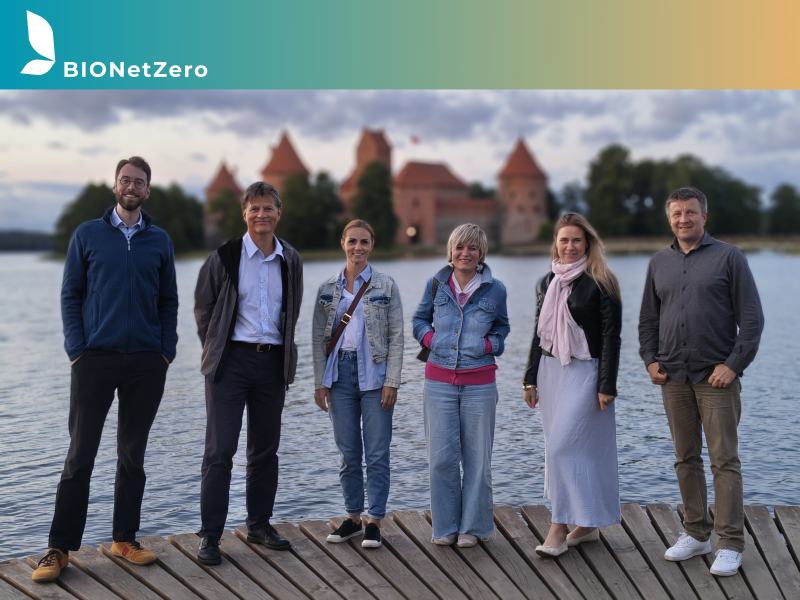
The visit began in Vilnius with a BIONetZero consortium meeting, where partners aligned on project milestones and prepared for the upcoming Cohort 1 Kick‑off Event in Denmark. With the first group of Stage 1 funded companies soon entering the programme, discussions focused on founder support, investor engagement, and the next steps toward accelerating biosolutions across Europe.
Over the following two days, the consortium visited several key actors in Lithuania’s biotech and innovation ecosystem:
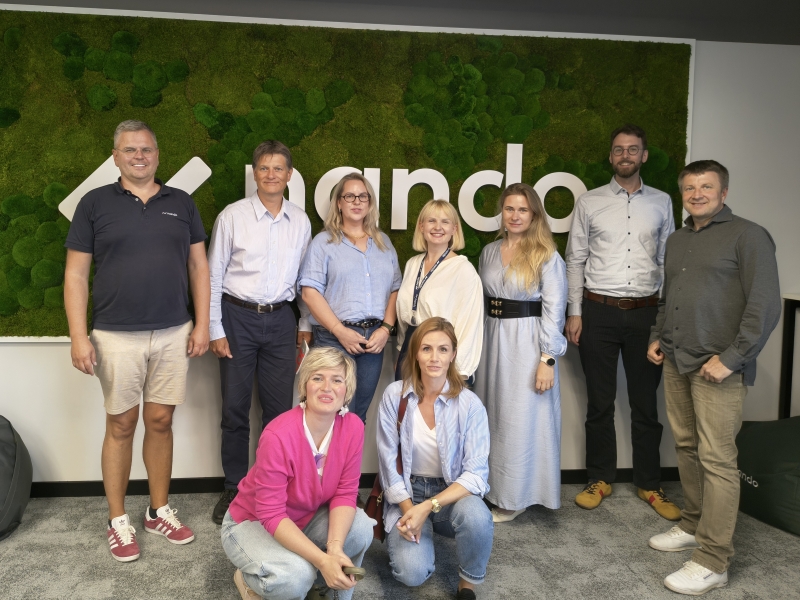
Nando (Kaunas)
A leading agricultural biotechnology company developing microbiological products, biostimulants, and eco‑friendly solutions for crop and livestock production. Their strong R&D focus and advanced fermentation capabilities position them as an important contributor to sustainable agriculture in Europe. As one of the BIONetZero Stage 1 funded companies, Nando will continue its journey within the programme and present its innovations at the upcoming gathering in Denmark.
Genomika Lietuva (Kaunas)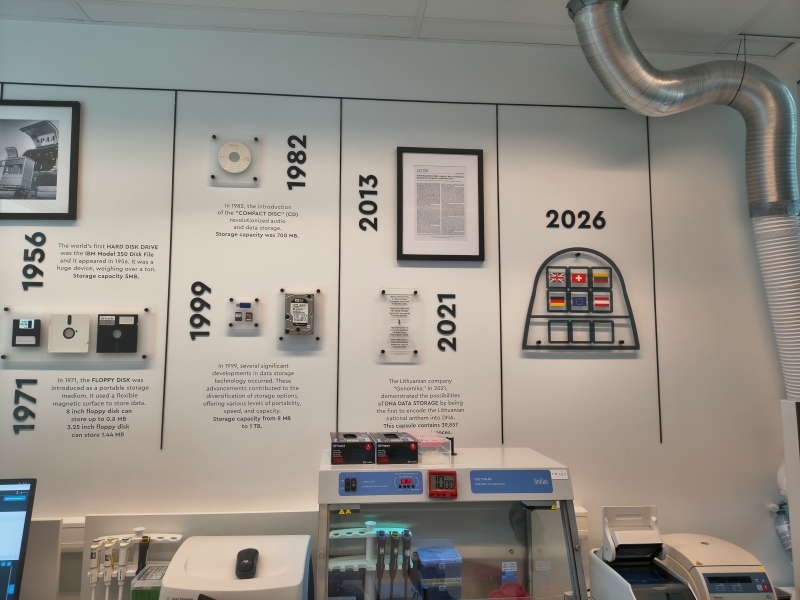
A deep‑tech company working at the intersection of applied genomics, bioinformatics, and molecular biology. Genomika’s portfolio ranges from DNA‑based data storage and autonomous DNA microfactories to tagging technologies for art authentication and health‑related analytics. Their work demonstrates how cutting‑edge biotechnology can open entirely new market segments and applications.
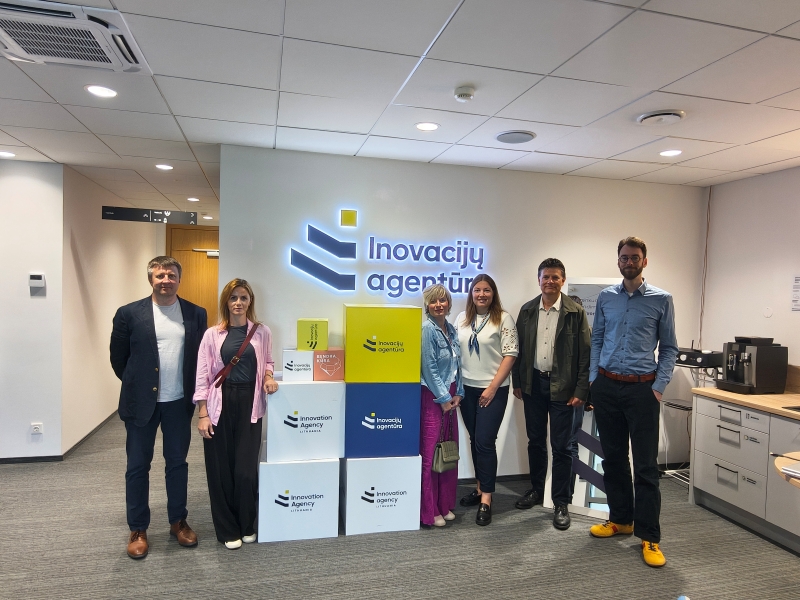
Innovationsagentur Litauen (Vilnius)
The national driver of Lithuania’s innovation ecosystem, operating under the Ministry of the Economy and Innovation. The agency plays a central role in supporting entrepreneurship, R&D commercialisation, and internationalisation. With Lithuania emerging as one of Europe’s fastest‑growing life sciences hubs, the exchange on cluster support, biosolutions, and cross‑border collaboration provided valuable insights into how national frameworks can accelerate high‑tech and green industries.
Study visits like this one broaden our perspective on how other countries structure their innovation ecosystems, support emerging technologies, and build bridges between research and industry. They offer a unique opportunity to meet local actors, understand regional strengths, and identify potential collaboration pathways. For CLIB, engaging with partners across Europe is essential to strengthening our network, supporting our members, and advancing industrial biotechnology toward a sustainable future.
With new impressions and connections from Lithuania, the BIONetZero consortium now turns its attention to Denmark, where the next milestone of the project will bring together founders, investors, and international partners.